

GTC 2026 Is the Hardware Founder's Reality Check | Think Circuits Newsletter #2

LEAD STORY
GTC 2026 Is the Hardware Founder's Reality Check
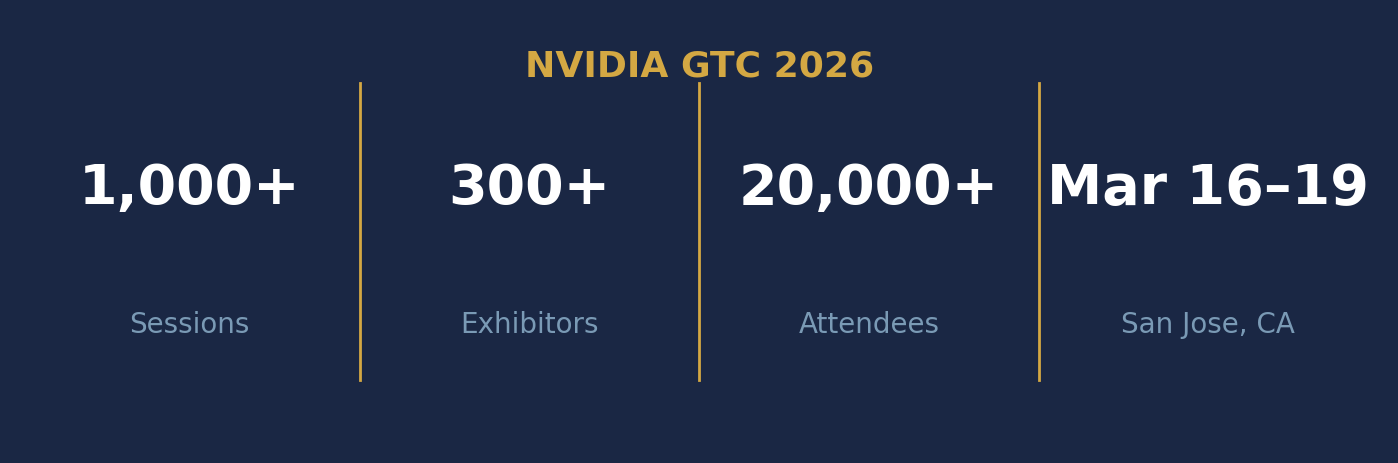
NVIDIA GTC (March 16-19, San Jose) is where the gap between "AI company" and "company that actually ships AI hardware" becomes impossible to ignore. Jensen Huang's keynote will spotlight Blackwell Ultra and the next wave of edge-optimized silicon. But the real signal for hardware founders isn't on the main stage. [1]
It's in the sessions on inference optimization, sensor fusion, and deploying models on battery-powered devices. The Jetson ecosystem has become a de facto prototyping standard for edge AI products. [2] Know what's coming before you commit to a BOM.
What Hardware Teams Should Watch
- Blackwell Ultra architecture and what it means for edge inference roadmaps.
- Jetson platform updates: new modules, power profiles, SDK tooling.
- DFX sessions: thermal management, power budgeting, certification paths for AI devices.
NEW FROM THINK CIRCUITS
Introducing Sprint Services
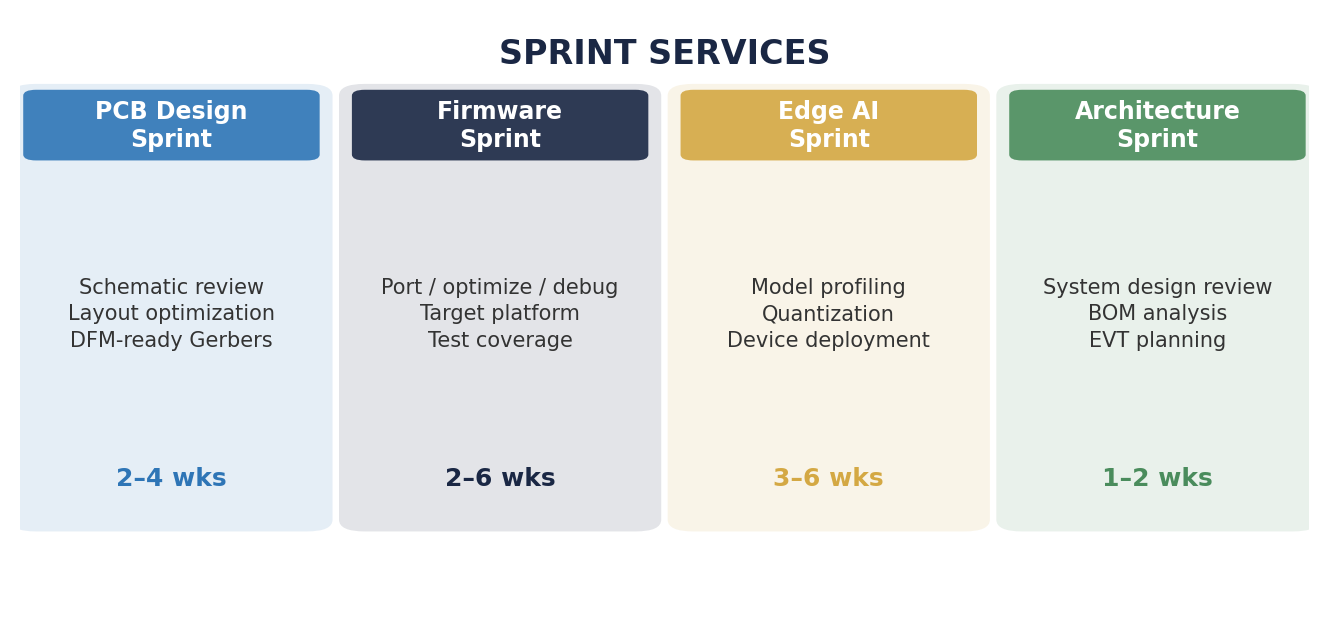
Not every project needs a six-month retainer. Some need four sharp weeks of board layout review. Others need firmware ported to a new MCU before a demo. That's why we're launching Sprint Services: fixed-scope, fixed-timeline engineering engagements for founders and teams that know exactly what they need built.
Built for two audiences. Kickstarter and crowdfunding teams who need professional engineering to go from prototype to manufacturable product. And growth-stage companies with a specific bottleneck: a firmware module, a PCB respin for DFM, or an edge AI model that needs to hit a latency target on constrained hardware.
Each Sprint ships a defined deliverable with a senior engineer lead and a fixed quote. No ambiguity, no scope creep.
INDUSTRY TRENDS
The GTC Prep Playbook
GTC draws 20,000+ attendees. The hallway conversations are half the value. [3] But most people show up without a plan and leave with swag and vague intentions. Here's how to make it count.
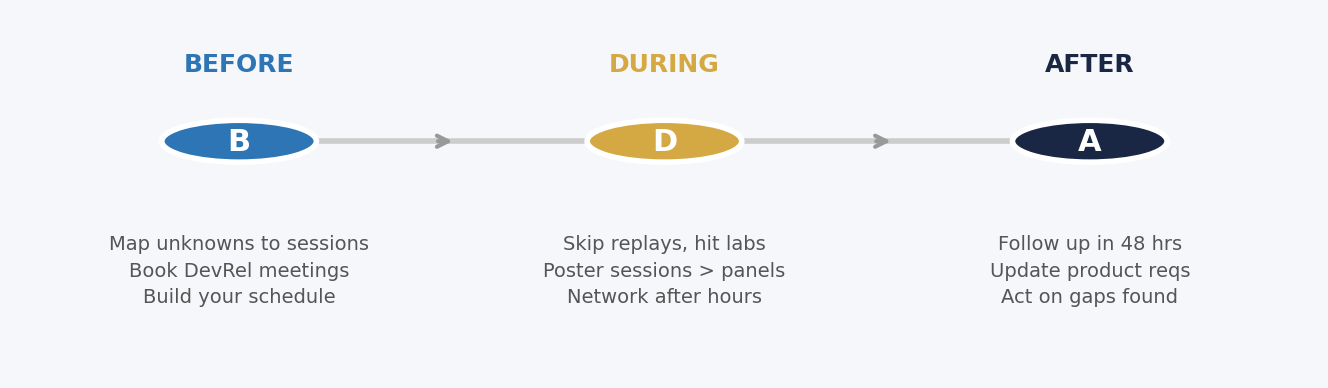
BEFORE: Map unknowns to sessions. Book DevRel meetings. Build your schedule.
DURING: Skip replays, hit labs. Poster sessions > panels. Network after hours.
AFTER: Follow up in 48 hrs. Update product reqs. Act on gaps found.
The 48 hours after GTC matter more than the conference itself. Send follow-ups while context is fresh. Update your product requirements doc. If GTC surfaced a gap in your firmware or hardware stack, that's when to bring in outside engineering, not three months later.
Think Circuits at GTC
Our engineering team will be at GTC. Working on edge AI hardware? Reach out to set up a meeting: contact@tcircuits.com
QUICK HITS
Links, Tools, and Things Worth Reading
NVIDIA open-sourced Jetson reference designs. If you're building on Orin or the Nano Super, these save weeks of board layout work. [4]
Zephyr RTOS v4.3 ships expanded AI/ML framework support. The modernized USB stack and new power management capabilities are worth a look. [5]
Design & Technology had its biggest year ever on Kickstarter in 2025. Even amid rising costs and supply-chain challenges, backers showed up for ambitious hardware ideas. Engineering capacity remains the bottleneck, not demand. [6]
Got a project that needs a Sprint?
Fixed scope. Fixed timeline. Defined deliverable. Whether it's a board respin, firmware port, or edge AI deployment.
Book a Sprint scoping call: tcircuits.com/contact
Or reply to this email: contact@tcircuits.com
References
[1] NVIDIA, "GTC 2026: AI Conference," nvidia.com/gtc
[2] NVIDIA Developer, "Jetson: Embedded AI Computing Platform," developer.nvidia.com/embedded-computing
[3] NVIDIA Newsroom, "CEO Jensen Huang and Global Tech Leaders to Showcase Age of AI at GTC 2026," nvidianews.nvidia.com
[4] NVIDIA Developer, "Jetson Download Center," developer.nvidia.com/embedded/downloads
[5] Zephyr Project, "Zephyr 4.3.0 Release Notes," docs.zephyrproject.org
[6] Kickstarter, "A Year in Review: 2025 Kickstarter Highlights," updates.kickstarter.com